




In healthcare, the quality of a patient’s experience can mean the difference between one-time visits and long-term care partnerships. In today’s competitive and increasingly value-based medical landscape, a seamless, thoughtful patient journey is not just “nice to have”—it’s essential for trust, outcomes, retention, and revenue.
Through our work with over 400 brands—including many in healthcare—we’ve seen how one smooth interaction makes a difference. Patients crave clear communication, continuity, empathy, and follow-through. They don’t just want treatment; they want care that meets them where they are, from the first click through their portal to ongoing follow-up. The practices that plan for that full experience build loyalty, referrals, and sustainable growth.
The Future-Proof Patient Journey: 5 Key Phases
1. Awareness & Appointment Booking
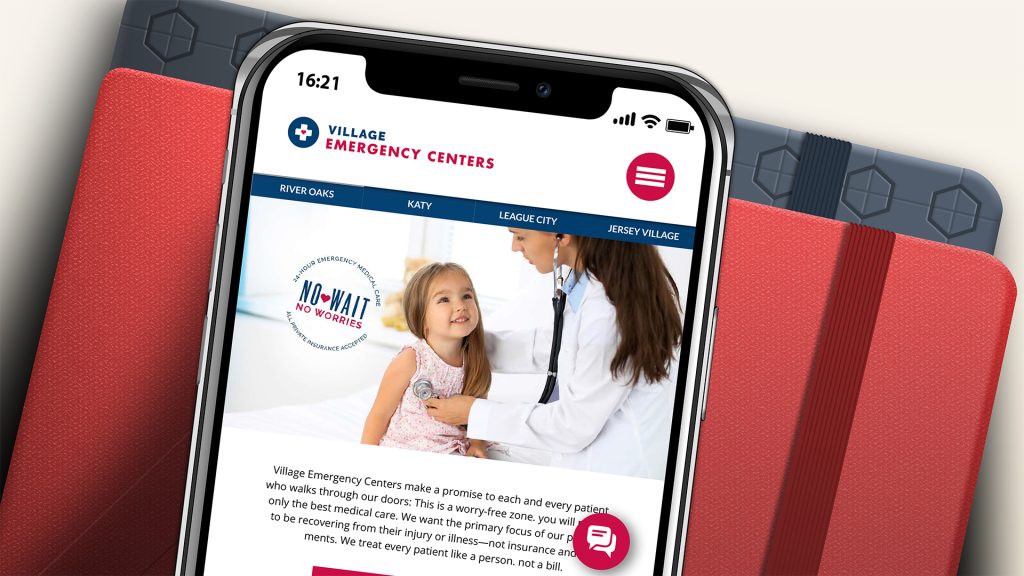
The journey begins before the patient ever walks through your door. In today’s digital-first landscape, your website, online presence, and booking process are the first signals patients receive about your brand. If your practice isn’t easy to find—or your booking process is clunky—patients will move on quickly.
How to implement:
- SEO-optimized websites and updated Google listings
- Mobile-first, intuitive booking tools integrated with your EHR
- Chat features or texting options to answer pre-booking questions
- Intelligent waitlists and automated confirmations to reduce friction
2. Pre-Visit Preparation
How you prepare a patient before their appointment sets the tone for how confident and engaged they feel walking in. When patients receive clear instructions and know what to expect, they feel less anxious and more valued.
How to implement:
- Send secure digital intake forms and welcome emails in advance
- Include test descriptions, provider bios, parking info, or FAQs
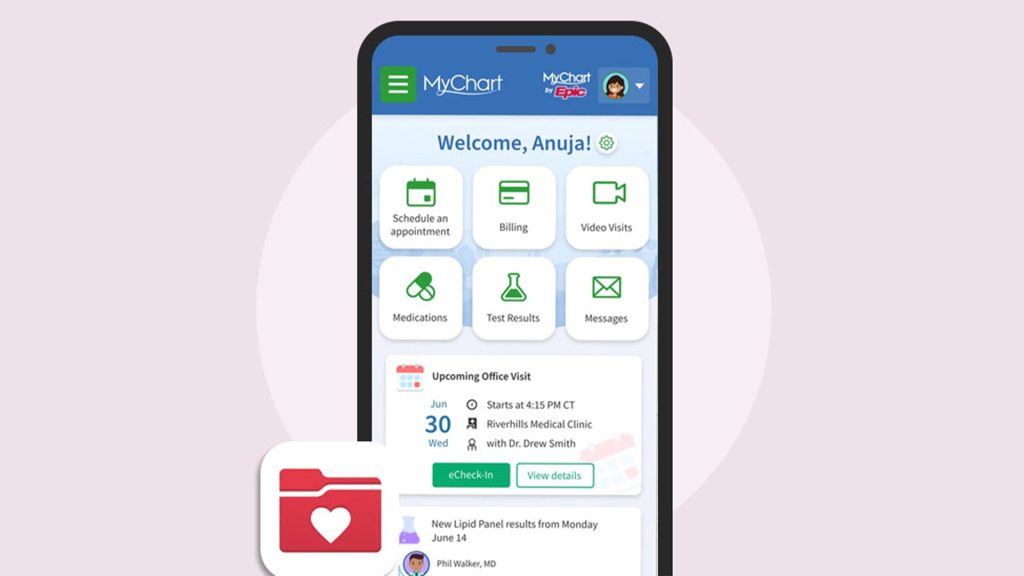
- Leverage automation in your portal to reduce paper-based workflows
- Segment communications by visit type (first-time, annual, procedure-specific)
3. Visit Experience & Shared Decision-Making
The in-office visit is the moment where trust is either solidified or broken. It’s about more than diagnosis—it’s about how patients feel seen, respected, and involved in their own care decisions.
How to implement:
- Provide warm, welcoming staff interactions and timely check-ins
- Create space for patients to share concerns without rushing
- Use visual aids or decision tools to explain options and involve patients
- Emphasize continuity by having patients see the same provider when possible
4. Follow-Up & Retention
Too often, follow-up is where practices fall short. Patients leave with instructions, but no further engagement. Great practices use this moment to solidify the relationship and keep the care conversation going.
How to implement:
- Use automated follow-ups within 24–48 hours for check-ins or test results
- Personalize outreach through text, email, or portal messaging
- Develop seasonal or preventive care campaigns that educate and prompt action
- Track patients due for re-checks, labs, or vaccine updates, and reach out accordingly
5. Ongoing Engagement & Advocacy
The journey doesn’t end with the appointment. When practices stay top-of-mind and demonstrate value beyond the visit, patients become more than loyal—they become ambassadors.
How to implement:
- Ask for feedback and reviews in a structured, automated way
- Offer value-adds, like newsletters, educational content, wellness programs
- Create community: host Q&As, webinars, or appreciation events
- Encourage cross-referrals and build a patient-to-patient advocacy engine
Common Pitfalls & Why They Fail
Without a clearly defined journey, medical practices often struggle with inconsistency, patient churn, and operational breakdowns. Here’s where things typically go wrong:
- Transactional Over Personal – When providers rely too heavily on checklists and spend too little time engaging, patients feel like numbers.
- Operational Gaps – Inconsistent scheduling, staff miscommunication, or long wait times create unnecessary frustration and distrust.
- No Follow-Up Strategy – Letting the patient go without future touchpoints means losing them to another provider—or to inaction.
- Lack of Continuity – Seeing different clinicians each visit leads to repetition and disconnection. Patients value relationship-building in their care experience.
- Conversion rates from website visits to booked appointments
- Missed appointment (no-show) rates
- Average time from booking to appointment (accessibility)
- Patient satisfaction and NPS (Net Promoter Score)
- Portal adoption and usage rates
- Patient retention and frequency of return visits
- Referral tracking to monitor how many new patients are coming from existing ones

Real-World Wins
These organizations prove that investing in the patient journey delivers measurable results:
- Hackensack Meridian Health implemented a centralized scheduling approach, reducing phone wait times by 75 seconds and improving the patient experience at scale.
- University Hospitals Cleveland used intelligent waitlists to rebook over 25,000 slots, improving access and revenue without increasing marketing spend.
- Continuity of Care Models in the UK revealed that patients who consistently saw the same provider had better health outcomes, fewer visits, and higher satisfaction scores.
About Brand MD
Brand MD is a strategic branding and digital marketing agency dedicated exclusively to healthcare and wellness organizations. We help medical brands define who they are, connect with the right patients, and stand out in a competitive market. From custom website design and content strategy to SEO, reputation management, and full brand development, we’re your partner in building a brand that patients trust—online and off.